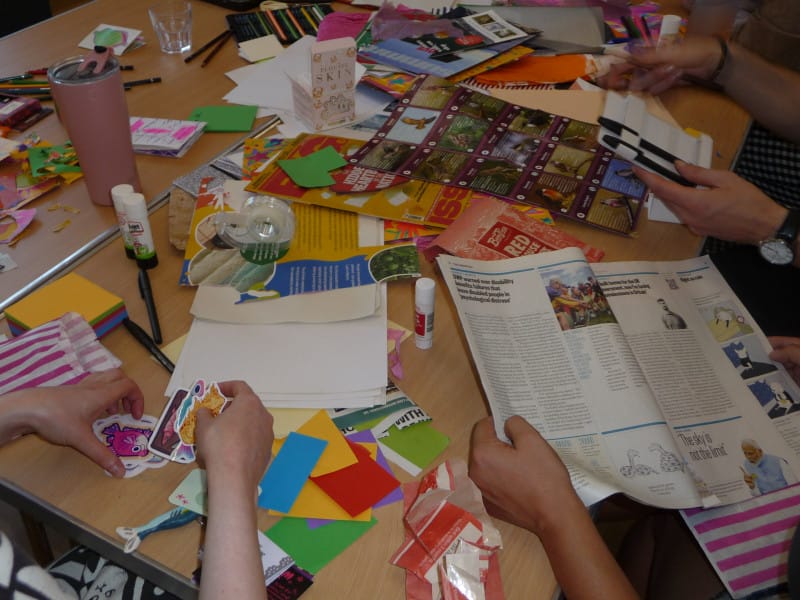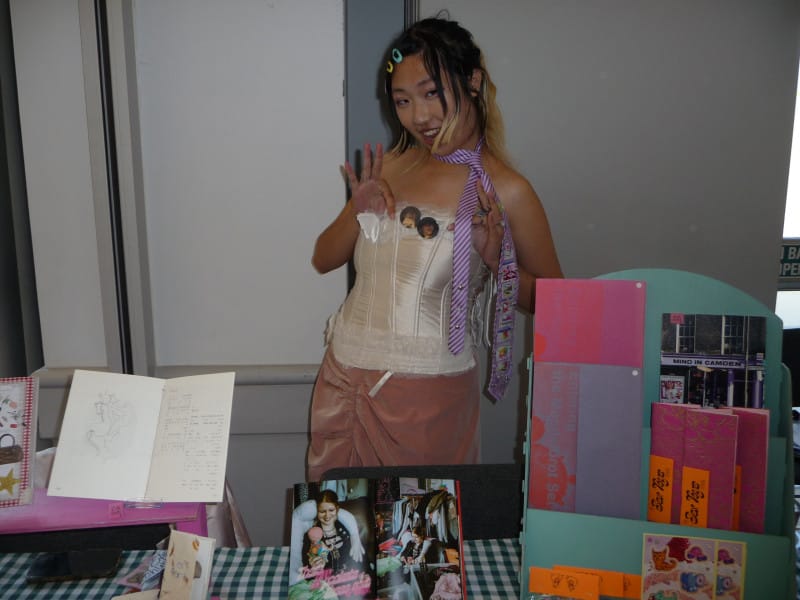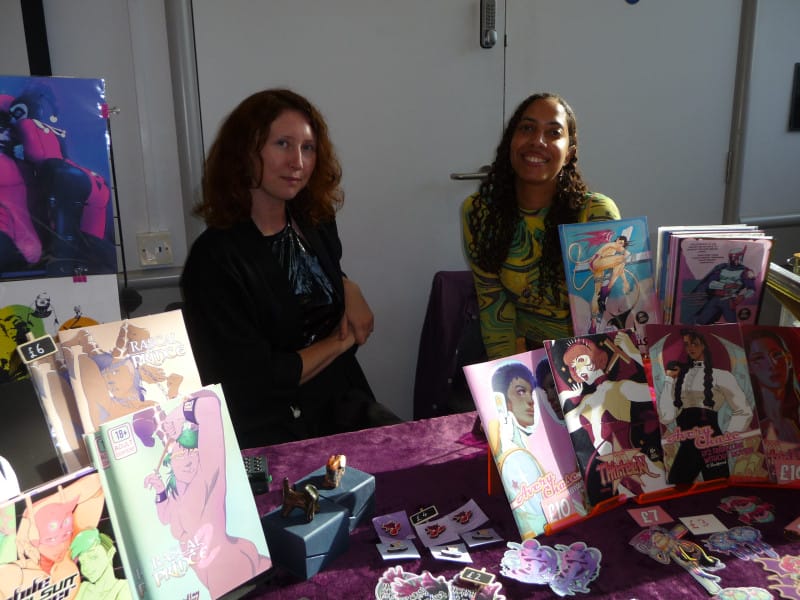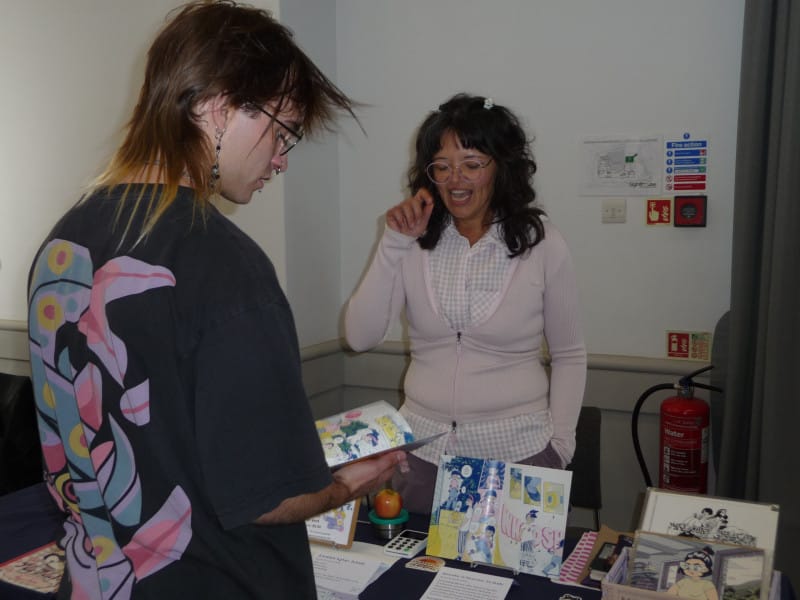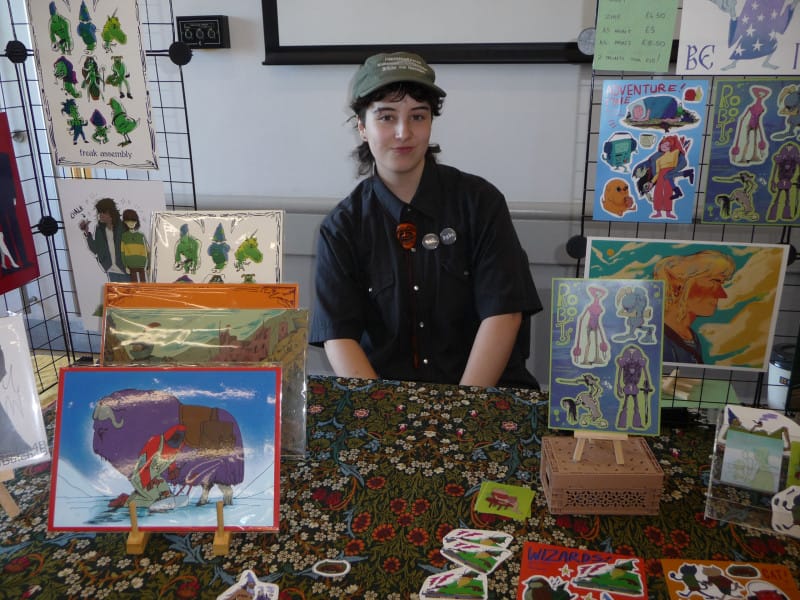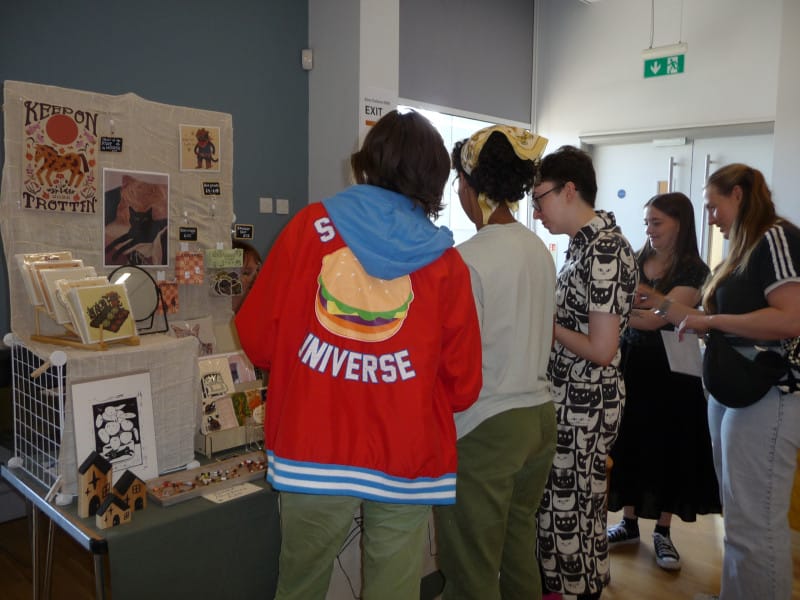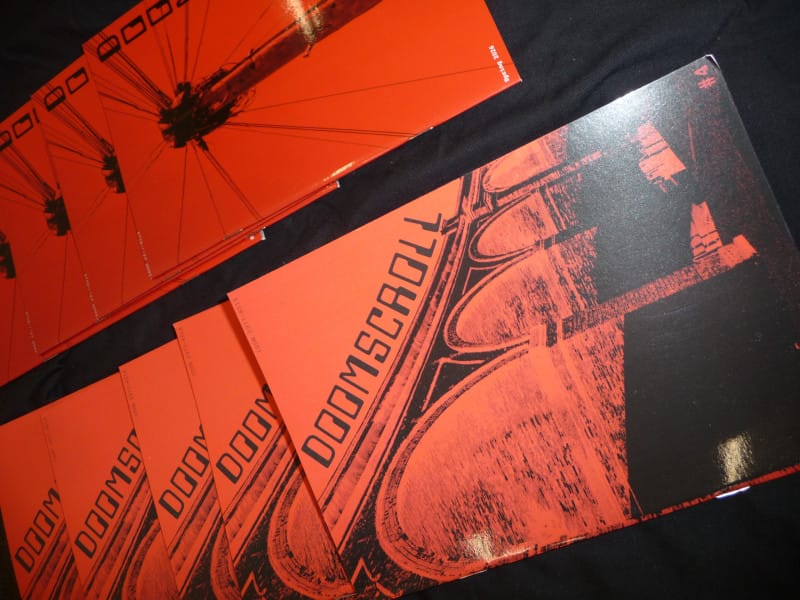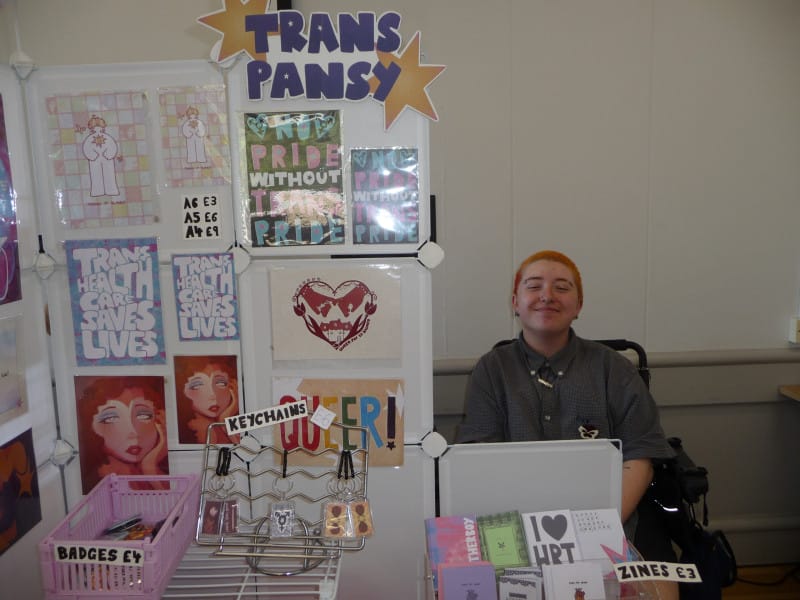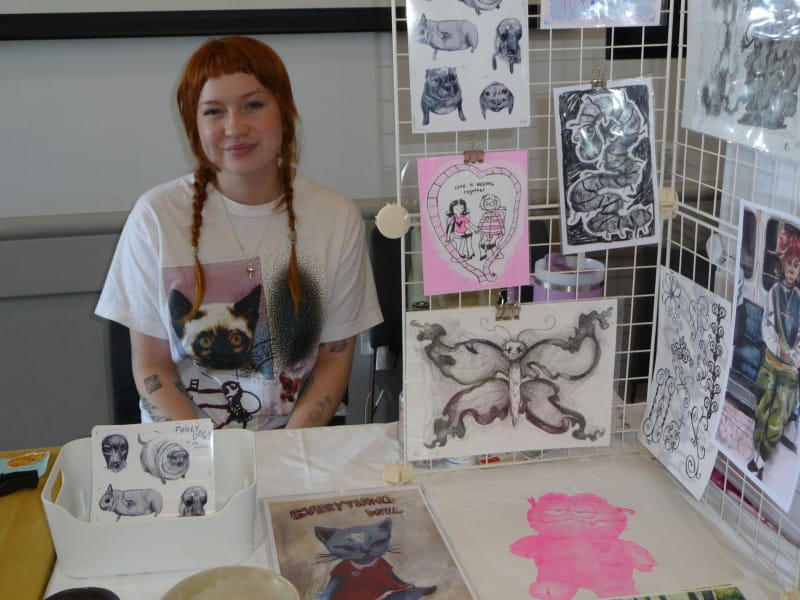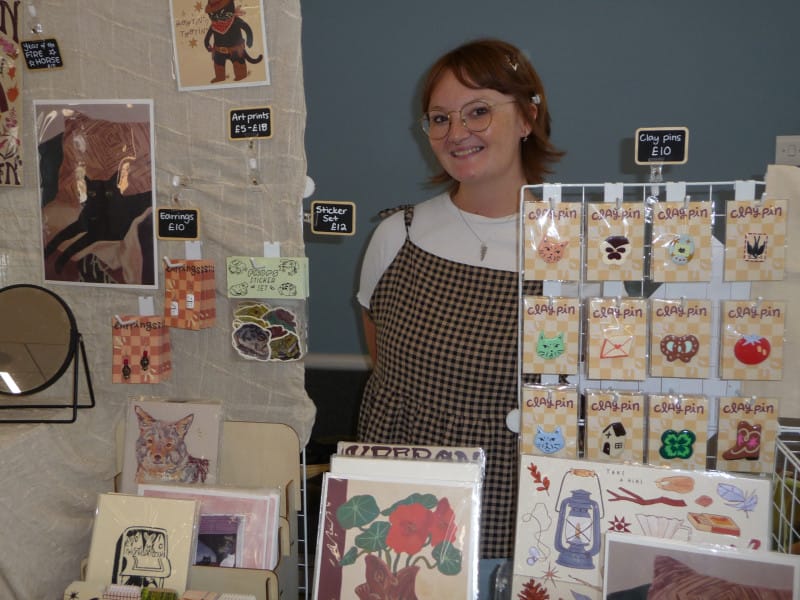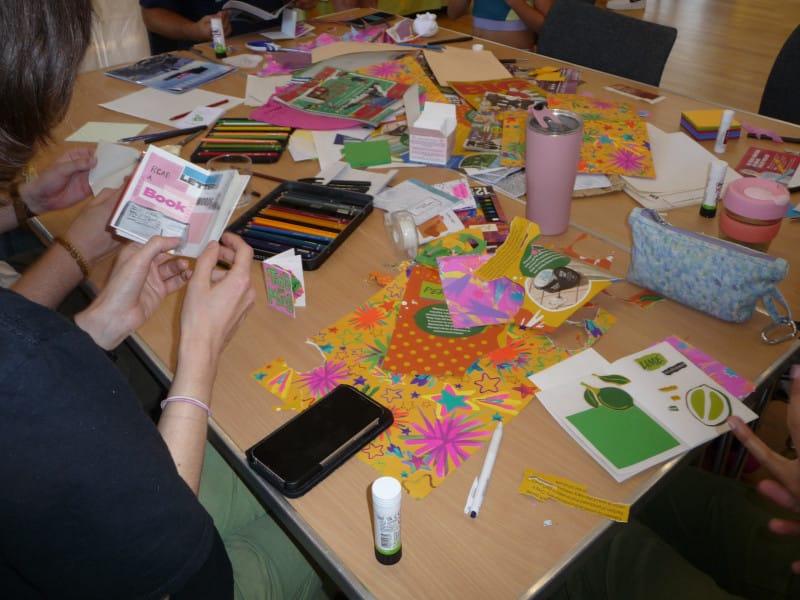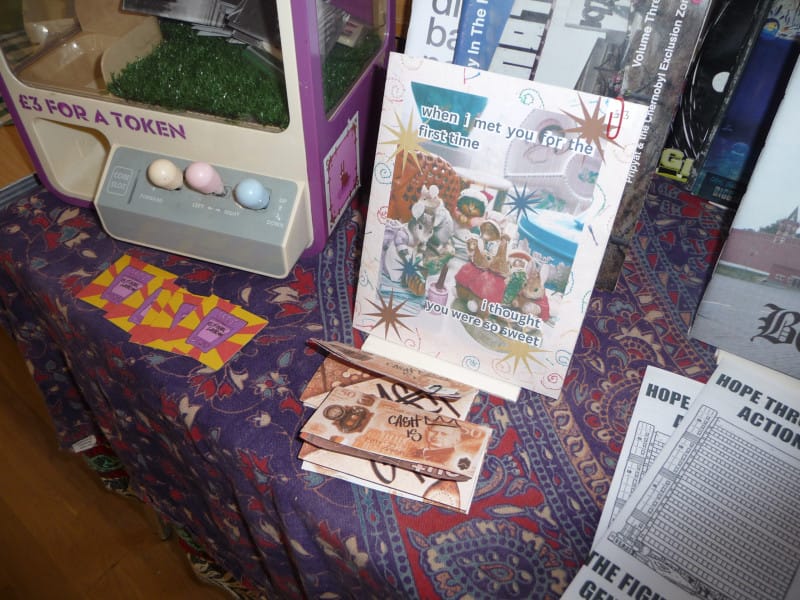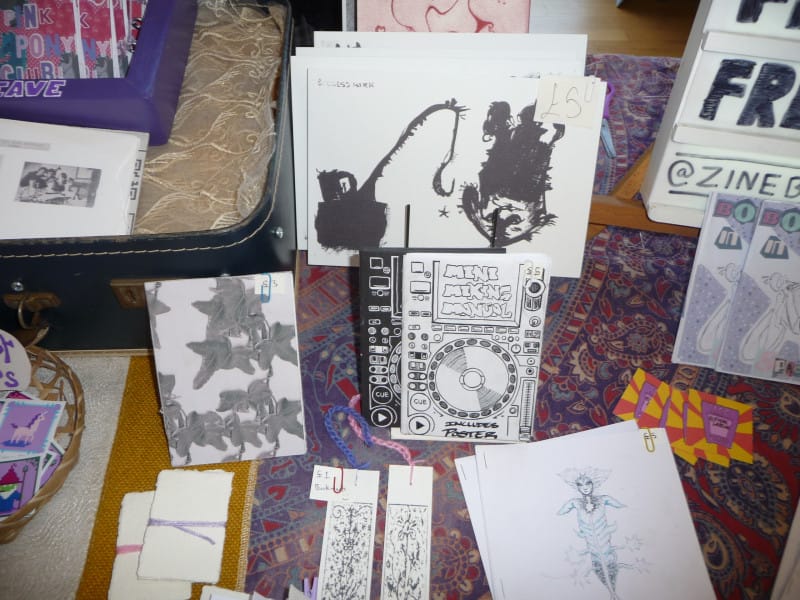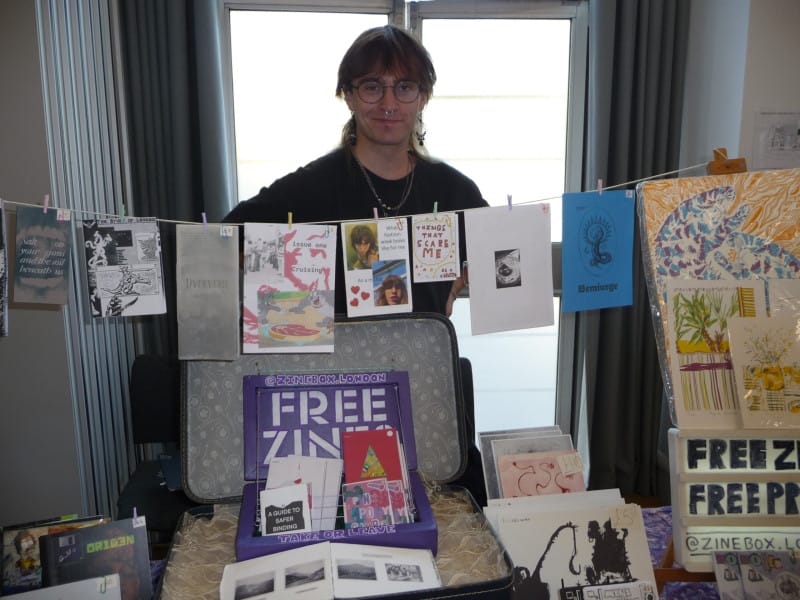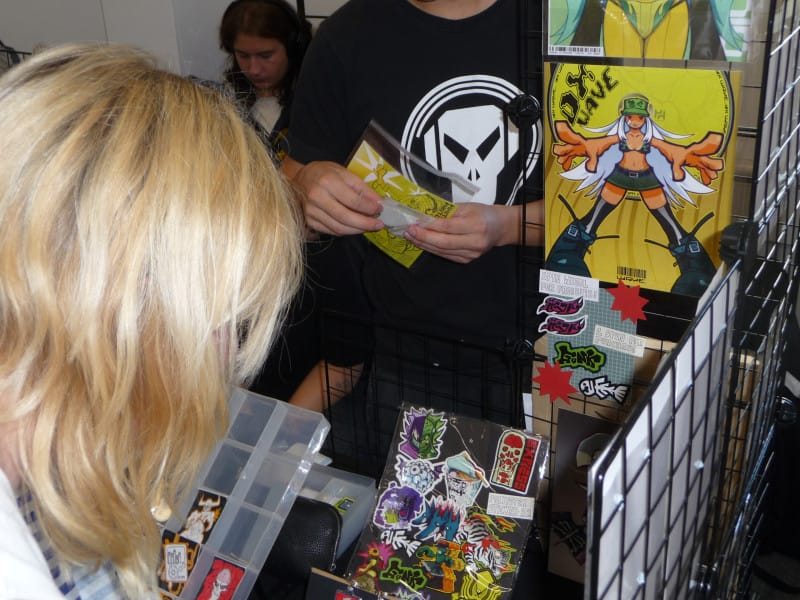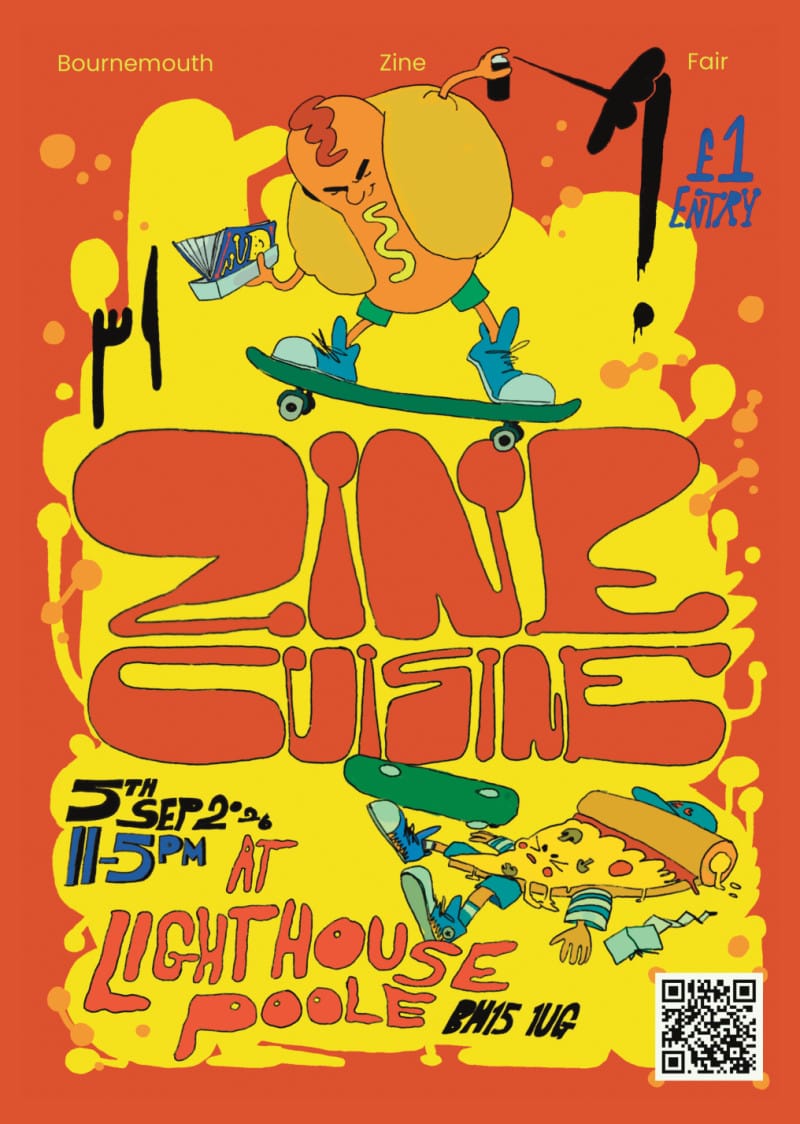
Showcasing a boom in DIY publications, the recent Zine Cuisine art fair at Lighthouse Poole saw some 30 stallers and more than 200 visitors gather in celebration of zine culture.
A zine – the word is contraction of ‘fanzine’, itself a blend of ‘fan’ and ‘magazine’ – is a home-made, self-published, non-mainstream, non-commercial publication. The roots of the culture go back hundreds of years to the pamphlets of 15th century religious agitators, but contemporary zine culture has a clear link to the printed polemics of the 1960s counterculture and the DIY punk fanzines of the 1970s. Today’s zines are their 21st century incarnation and cover a wide range of subjects from political activism to personal experience via music, poetry, fiction, visual art – anything goes really.
“Yes, one hundred per cent,” says Amy Tilsed, an illustrator and co-founder (with Robin Gage M Smith) of Zine Cuisine. “The one thing that has remained consistent throughout zine culture over the years though is that DIY attitude – I’ve got something to say, I’m going to say it…
“I find that so exciting – the fact that it’s been evolving and changing so that everyone has their own kind of interpretation of what a zine is.”
Like their counterparts from the 70s and 80s, some zines are nothing more than eight pages made from a twice folded sheet of A4 then photocopied. Others are more polished and may even be professionally printed. A basic zine could cost as little as 50p or £1, whereas a bigger production might cost as much as £15.
“They come in so many different forms and you can find zines about any topic really. Traditionally, zines have been about outsiders, supporting environmental causes, trying to push the little guy up and, in today’s climate, a lot of people are trying to stand up for what they believe in and share messages around that.
“With most zines it’s really less about the profit and more about spreading awareness. I think it’s just really nice to see people making zines and at Lighthouse we had people taking part in workshops making zines as young as ten and 14 – incredible. Some of them already knew what zines were.”
The voice of the primary school playground – amazing!
Amy’s latest zine is a one-off called This Is What An Artist Looks Like in which she wrestles with the exigencies of being an artist.
“It’s about my experiences with not feeling artistic or creative, whether that’s me working a day job and not having drawn in weeks, or me getting into other hobbies where I feel like I’m not doing art. I decide that whatever I am doing I am doing it in a creative way so the zine is a way of exorcising those demons and questions.
“I have to live an experience before I can make a zine about it – I’m quite reflective in that sense. For my Master’s though I’m doing a couple of zines and playing with what the definition of a zine is. So, I’m exploring the materiality of a zine using tracing paper and having pages with bits coming out of them, almost like a pop-up book.”
Encouraged by her friend Robin, Amy started Zine Cuisine in 2024 after studying Illustration at Arts University Plymouth.
“There’s a really vibrant arts scene in Plymouth and a massive zine culture that I was really into so to come home and find there was nothing like it was a bit jarring. I decided if I wanted there to be one I had to be the one to do it and, with a big push from Robin we planned it together and here we are.
“It’s really fun to meet people and get to know what they’re about through their zines and then bring that community here. I think people are nostalgic for that analogue feel, folded publications that don’t exist in any digital form. Some artists have online stores and there are zines on Etsy, but the great thing about a fair like Zine Cuisine is that you kind of have to get it while it’s there as you might not be able to get a copy anywhere else.”
So, is the physical world biting back in Zine Cuisine? Does digital media dilute the purity of the printed page?
“I’ve often asked that to myself,” says Amy. “There’s been times when I’ve wanted to just chuck my phone in the ocean and be like: I’m just going to live life analogue from now on.
“But then it’s amazing what you do discover while being online and, you know, I don’t think our event would have been as successful if we didn’t put a lot of our budget into online advertising. So, for me, it’s more about learning to live with the machine, rather than working against it. I have to say, Instagram works pretty well for zines.”
@zinecuisine.bzf
:: Zine Cuisine will return to Lighthouse in 2027
(NC)
Zine Cuisine photos by Amy Tilsed